Mold Inspection & Testing Company in Denver
Mold Damage Restoration Solutions in Denver, Colorado Springs, & Aurora
For property owners in Denver, concerns about indoor air quality often lead to questions about mold. A musty odor, unexplained health symptoms, or a recent water event can all signal a hidden mold problem that demands professional attention. Identifying and addressing mold quickly is essential for a healthy living or working environment.
At ECOS, we understand these vital health concerns. Our team has over two decades of experience providing responsive environmental restoration services across Colorado, including comprehensive mold solutions. We are dedicated to helping our neighbors breathe easier and regain peace of mind with professional testing and assessment.
If you suspect mold at your Denver property, reach out to ECOS. Call us at (888) 868-5420 or connect with us online to get started.
Signs You Need Mold Inspection & Testing
Mold can be a silent invader, often growing in hidden areas before becoming visible. However, there are several indicators that suggest it is time to consider professional mold inspection and testing for your Denver property. Addressing these signs quickly can help prevent widespread contamination and protect indoor air quality.
Here are common signs that you might need mold inspection and testing:
- Persistent musty odor: A distinctive, earthy, or stale smell, similar to old wet socks or decaying leaves, is a strong indicator of hidden mold growth, even if you cannot see it.
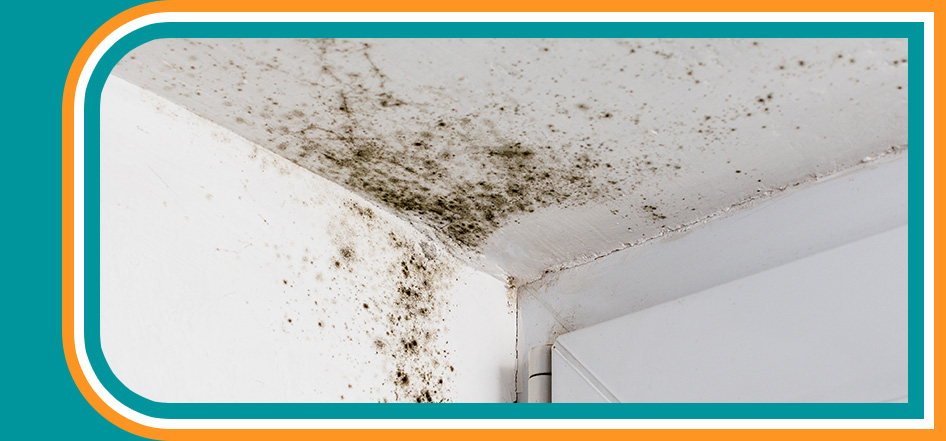
- Visible mold growth: If you see black, green, white, or fuzzy patches on walls, ceilings, floors, or around windows, it is a clear sign of mold. Do not disturb it yourself.
- Water damage history: If your property has experienced a recent flood, burst pipe, roof leak, or any significant water intrusion, there is an increased risk of mold developing within 24 to 48 hours.
- Unexplained health symptoms: Respiratory issues, persistent coughing, sneezing, watery eyes, skin rashes, headaches, or fatigue that seem to worsen when you are in a particular indoor space might be linked to mold exposure.
- Peeling paint or wallpaper: Mold can grow behind these surfaces, causing them to bubble, peel, or crack due to moisture and microbial activity.
- Discoloration on walls or ceilings: Stains or dark spots, even if not overtly fuzzy, can indicate moisture issues and potential mold growth within or behind the surface.
- Condensation issues: Recurring condensation on windows, pipes, or walls can create the ideal moist conditions for mold to thrive.
Our Mold Inspection & Testing Process
At ECOS, our approach to mold inspection and testing in Denver is designed to provide clear answers and effective solutions for your indoor air quality concerns. With over 20 years of experience in environmental restoration, our IICRC Certified technicians use state-of-the-art equipment to accurately detect mold, even when it is hidden. We are dedicated to helping create a healthy environment for your home or business.
Our professional mold inspection and testing process includes:
- Comprehensive visual assessment: Our technicians begin with a thorough visual inspection of your property. We carefully examine areas prone to moisture, such as basements, crawl spaces, attics, bathrooms, and areas with past water damage, looking for visible mold, water stains, and signs of moisture.
- Moisture mapping: We use advanced moisture meters and thermal imaging cameras to detect hidden moisture behind walls, under flooring, and within structural elements. Identifying the source of moisture is critical, because mold cannot grow without it.
- Air and surface sampling: If mold is suspected but not visible, or to determine the type and concentration of spores, we collect air samples and surface samples (swabs or tape lifts). These samples are sent to an independent, accredited laboratory for analysis to provide accurate results.
- Detailed lab analysis and report: The collected samples undergo laboratory analysis. We then provide you with a report detailing the type of mold present, its concentration, and a clear interpretation of the findings. This report helps inform necessary remediation steps.
- Customized action plan: Based on the inspection findings and lab results, we develop a customized action plan. This plan outlines recommended steps for mold remediation, addressing the mold itself and the underlying moisture issues to help prevent it from coming back and to restore healthy indoor air quality.
- Post-remediation verification (optional): After any mold remediation work is completed, we can conduct follow-up testing to confirm that mold levels have returned to normal and that the environment is clean and safe.
The Importance of Professional Mold Inspection & Testing Service
When you suspect mold in your property, relying on professional mold inspection and testing is not just a recommendation; it is an important step for your health and the integrity of your building. Mold can cause various health issues, from respiratory problems to allergic reactions, and can damage structural components if left unaddressed. Do-it-yourself detection is often insufficient and can even worsen the problem.
Key benefits of using a professional mold inspection service include:
- Accurate source detection: Trained inspectors can trace mold back to hidden moisture sources so that the problem is addressed at its root.
- Objective lab reporting: Independent laboratory analysis provides written documentation that can support discussions with contractors or insurance carriers.
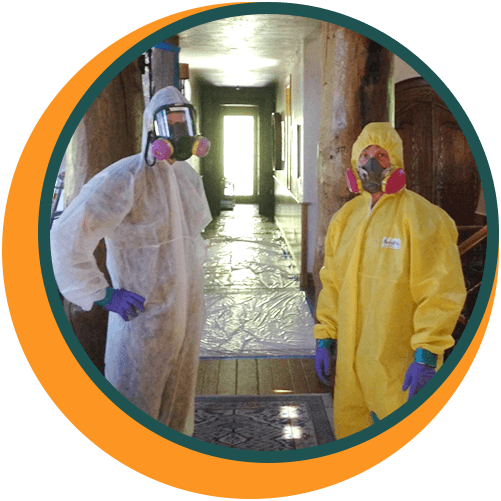
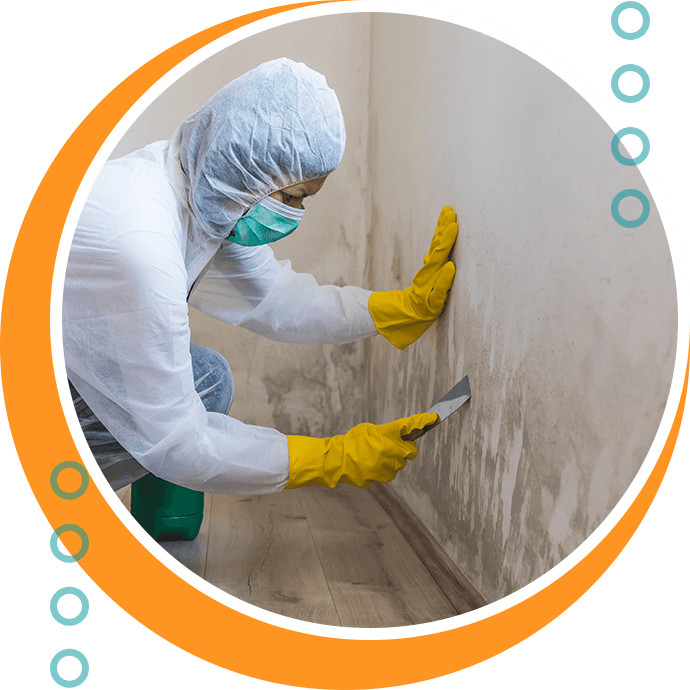
- Safer inspection methods: Proper containment and personal protective equipment help limit the spread of spores during the inspection itself.
- Clear remediation roadmap: A structured report gives you guidance on what should happen next and which areas of the property need attention.
- Support for long-term prevention: Professional recommendations can include ventilation, drainage, or maintenance changes that reduce the risk of mold returning.
Professional mold inspectors have the training and equipment to identify mold, including hidden growth within walls or HVAC systems, which is impossible to detect with the naked eye. They can distinguish between different types of mold and determine airborne spore counts, providing an assessment of the contamination level and potential health risks.
Common Mold Issues in Denver Homes and Buildings
Many Denver properties share construction features and climate challenges that make certain mold issues more likely. Finished basements, older brick homes, and multifamily buildings with shared walls can trap moisture after heavy snow, spring runoff, or summer thunderstorms. When that moisture is not fully dried according to local building best practices, it can linger behind drywall, under carpet pads, or around foundation walls, creating conditions where mold can thrive without obvious surface clues.
Property owners in neighborhoods along the Front Range often notice mold first around basement windows, below roof valleys, or in bathrooms that are not vented to the exterior. These problem areas are closely tied to how Denver’s elevation and temperature swings affect humidity inside the building. During an inspection, we take time to understand how air moves through your specific property, including how your heating and cooling system distributes air. This helps us pinpoint mold concerns that might be connected to ductwork, poorly insulated exterior walls, or areas where warm indoor air meets cold exterior surfaces.
By looking at how your building responds to Colorado’s seasons, we can provide recommendations that go beyond cleanup and speak to prevention. For some clients, that may mean adjusting ventilation, improving repairs away from the foundation, or addressing chronic condensation near sliding doors and north-facing walls. Our goal is to give you practical guidance that fits the way your home or business in Denver is built and used so you can reduce the chances of facing recurring mold problems.
What to Expect From a Mold Inspection Visit
Scheduling a mold inspection can feel stressful if you are not sure what will happen during the visit. We aim to make the process clear and predictable so you know how long it may take, what areas we will need access to, and how we will share our findings. For many residential properties in the Denver metro area, an inspection and sampling visit can be completed in a single appointment, with laboratory results following after samples are processed.
Before we arrive, we typically ask that you note any rooms where you have smelled musty odors, seen past leaks, or noticed health symptoms worsening. During the inspection, our technician will walk through the property with you, explain what they are observing, and discuss which areas may benefit from air or surface sampling. If you are in a multi-level home, we may move systematically from the lower levels up, paying special attention to basements and crawl spaces that are common in Colorado construction.
After the on-site work is complete, we review what was observed and clarify the next steps so you are not left guessing. You will receive a written report that explains the lab results in everyday language, including where samples were collected and what they showed. If remediation is recommended, we outline general timeframes and considerations, such as coordinating with other trades or aligning work with any requirements from your insurance carrier. This approach is designed to give you confidence that your mold concerns are being handled in an organized and transparent way.
Why Timely Mold Testing Matters After Water Events
Water events in Denver—such as a supply line leak, ice dam, or sump pump failure—can quickly change from a simple cleanup to a more complex mold issue if not addressed in time. Moisture that soaks into drywall, insulation, or subflooring can remain trapped even after surfaces feel dry to the touch. When that moisture is not documented and evaluated, building materials may be closed back up too soon, allowing mold to develop out of sight in the weeks that follow.
Prompt mold testing after a significant water issue helps you understand whether drying efforts were effective and if there are areas of concern that need further attention. In some cases, limited sampling can confirm that conditions have returned to normal, which can be helpful when working with insurance adjusters or contractors to finalize repairs. For larger events, testing can help prioritize which areas of the property require remediation first so that living spaces or critical business areas are addressed as efficiently as possible.
Because Denver’s relatively dry climate can give a false sense of security once standing water is gone, relying only on how materials look or feel can be misleading. By combining moisture readings with targeted mold testing, you gain a clearer picture of what is happening inside walls, ceilings, and flooring. This information supports better decisions about repairs, helps protect indoor air quality over the long term, and reduces the chances of having to reopen finished work later due to hidden mold growth.
Why Choose Us for Mold Inspection & Testing in Denver
For reliable mold inspection and testing in Denver, ECOS stands as a trusted partner. Our more than 20 years of experience in environmental restoration, combined with our commitment to responsive and thorough service, help you receive clear answers and a path forward for your property. We are dedicated to restoring health to your indoor spaces.
Here is why property owners trust our team:
- Over two decades of experience: ECOS has been in operation for more than 20 years, bringing knowledge to identifying and assessing mold issues across Colorado.
- IICRC Certified technicians: All our technicians are trained, certified, and experienced in mold remediation and environmental restoration, using state-of-the-art equipment for inspections and testing.
- Comprehensive environmental services: We offer a range of environmental services, allowing us not only to test for mold but also to provide input on addressing underlying moisture issues and full remediation if needed.
- Rapid response in emergencies: We understand the urgency of indoor air quality concerns. Our team is available 24/7 for emergencies, helping ensure a timely response to your Denver location when you need it most.
- Insurance coordination: We work with insurance companies, helping to alleviate stress and streamline the process for potential mold remediation claims, so you can focus on recovery.
- Award-winning reputation: As a company with a five-star rating from the Pulse of the City for four years running, our dedication to quality and customer satisfaction is well established.
At ECOS, we are here to help you breathe easier by providing clarity and solutions for your mold concerns.




FAQs About Mold Inspection & Testing in Denver
What Are the Common Health Effects of Mold Exposure?
Exposure to mold can cause a variety of health symptoms, especially in sensitive individuals. These can include respiratory issues like coughing, wheezing, and shortness of breath, as well as nasal stuffiness, eye irritation, skin rash, and headaches. People with asthma or allergies may experience worsening symptoms. Professional testing helps identify whether mold is contributing to your health concerns.
How Do You Test for Hidden Mold?
When mold is suspected but not visible, our technicians use tools like moisture meters and thermal imaging cameras to detect moisture behind walls, under flooring, and in other concealed areas. We also collect air samples and surface samples, which are then sent to an independent laboratory for analysis to confirm the presence, type, and concentration of mold spores, including those you cannot see.
Should I Have My Property Tested for Mold After Water Damage?
Yes, it is recommended to have your property tested for mold after any significant water damage event, such as a flood or burst pipe. Mold can begin to grow within 24 to 48 hours of moisture exposure. Early mold inspection and testing can identify potential growth before it becomes a larger problem, allowing for timely remediation and helping prevent extensive damage or health issues.
What Happens After Mold Is Found During Testing?
If mold is found during our inspection and testing process, ECOS will provide you with a report of the findings. Based on this, we will develop a mold remediation plan that outlines steps to remove the mold and address the underlying moisture source. Our goal is to help restore your property to a healthier, mold-free environment.
Suspect mold at your Denver property? Contact ECOS for professional mold inspection and testing. Call us at (888) 868-5420 or reach out online to help protect your indoor air quality today.

Why Choose ECOS?
-
We specialize in 24/7 emergency services to restore order as soon as possible.
-
We provide a full range of environmental, catastrophe, and residential services.
-
ECOS has been in operation for over 20 years.
-
ECOS provides a 1 year guarantee on your water damage repair service.
-
ECOS Technicians are IICRC Certified.
-
We work directly with your insurance company for a seamless process.